
Texas Non-Subscriber Claims Can Give Injured Construction Workers A Different Path To Recovery
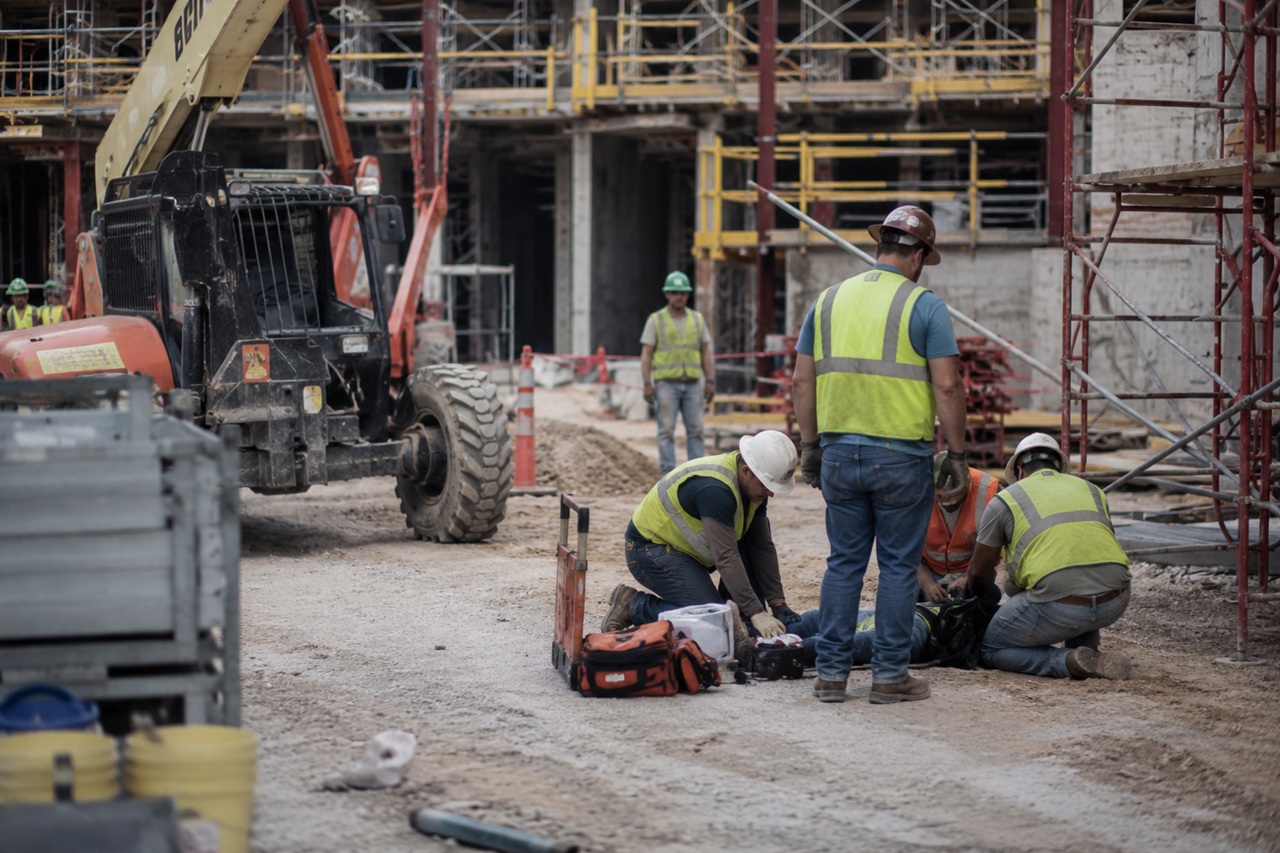
Construction work is dangerous under the best of circumstances, and when something goes wrong on a job site, the first question an injured worker usually asks is whether workers' compensation will cover them. In Texas, that question has a uniquely complicated answer. Unlike most states, Texas does not require most private employers to carry workers' compensation insurance, and the construction industry is where that gap can do serious damage.
According to the Texas Department of Insurance, employers that choose not to provide workers' compensation coverage are known as non-subscribers. When a construction employer doesn't carry workers' compensation insurance, injured workers may still have powerful legal options.
A San Antonio personal injury attorney who handles construction injury cases will tell you that the absence of workers' comp coverage doesn't leave injured workers without recourse. In many situations, it opens the door to a stronger and more complete form of financial recovery than workers' comp would have provided in the first place.
What It Means When Your Employer Doesn't Carry Workers' Comp
Employers in Texas who choose not to carry workers' compensation insurance are called non-subscribers, and their decision to opt out carries significant legal consequences many injured workers don't know about. When an employer is a non-subscriber, the legal landscape can shift in ways that favor the injured worker.
Texas law strips non-subscriber employers of several powerful defenses they would otherwise be allowed to raise in a personal injury lawsuit, and that changes how a negligence claim proceeds.
- No Contributory Negligence Defense: Under Texas Labor Code Section 406.033, a non-subscriber employer cannot use the worker's contributory negligence as a defense. In many standard negligence cases, shared fault can reduce or eliminate a damages award. Non-subscriber status removes that defense, meaning the employer cannot escape responsibility by arguing that the worker made a mistake on the job.
- No Assumption-of-Risk Defense: Non-subscriber employers cannot claim that the worker knowingly accepted the dangers of the job. Construction workers face hazardous conditions every day, and this defense is often used to diminish or defeat injury claims. Against a non-subscriber, it isn't available.
- No Fellow Employee Defense: When a co-worker's negligence contributes to an injury, some employers try to shift blame to that worker. Non-subscriber employers lose that defense, keeping the legal focus on the employer's own conduct and safety responsibilities.
An attorney handling a non-subscriber construction injury case doesn't just have more legal tools at their disposal. The employer's reduced defenses mean a well-prepared negligence claim may move forward with significantly less resistance than it would face in other types of injury cases.
How Non-Subscriber Construction Claims Are Different From Workers' Comp
Workers' compensation, when it exists, is a trade-off. It provides relatively quick, no-fault benefits, but it limits what an injured worker can recover and generally prevents the worker from suing the employer for pain and suffering.
When an employer is a non-subscriber, that trade-off disappears. The injured worker may be able to sue the employer directly if the employer's negligence caused the accident. That can matter in construction cases involving unsafe equipment, lack of fall protection, inadequate training, dangerous worksite conditions, or pressure to keep working despite known hazards.
In many Texas construction accident cases, the key question isn't simply whether the worker was injured. It's whether the worker can sue for a construction accident in Texas based on the employer's conduct, a subcontractor's negligence, a property owner's failure to correct a hazard, or another party's role in the accident.
The Damages A Negligence Claim Can Recover That Workers' Comp Never Could
When an employer is a non-subscriber, injured workers can pursue the full range of damages available under Texas personal injury law. For someone with a serious construction injury, the difference in total recovery can be substantial.
- Full Lost Wages and Future Earning Capacity: Workers' comp typically replaces only a portion of lost wages and future earning capacity. A negligence claim against a non-subscriber can seek the full value of wages lost during recovery and account for any permanent reduction in the worker's future earning capacity.
- Pain and Suffering: Workers' compensation provides no compensation for physical pain, emotional distress, or loss of enjoyment of life. A negligence claim can pursue those losses, and in serious injury cases, pain and suffering damages in Texas can represent a major part of the total recovery.
- Full Medical Expenses: Past and future medical costs, including surgery, long-term care, rehabilitation, and treatment required because of the injury, may be recoverable in a negligence claim without the same limitations workers' comp can impose.
- Wrongful Death Damages: When a construction worker is killed on the job, the family of a non-subscriber employer's employee may be able to pursue a wrongful death claim that includes loss of companionship, mental anguish, and financial support.
A personal injury attorney can evaluate every category of loss a worker and their family have suffered and build a claim that reflects the full human and financial cost of the injury, not just the medical bills.
Third-Party Claims May Also Be Available After A Construction Accident
Construction sites often involve several companies working in the same place at the same time. A general contractor, subcontractor, equipment company, property owner, delivery company, or outside maintenance contractor may all have responsibilities that affect worker safety. When someone other than the injured worker's direct employer contributed to the accident, a third-party workplace accident claim may also be available.
Third-party claims can be especially important when a worker's employer carries workers' compensation insurance, because workers' comp may limit claims against the employer but does not necessarily preclude claims against negligent outside parties. In a non-subscriber case, an injured worker may have claims against both the employer and other negligent companies, depending on the facts.
That is why construction accident cases require a careful investigation into every company on the site, every contract governing the work, every safety rule that applied, and every decision that contributed to the accident.
Why Waiting Is One Of The Most Damaging Decisions An Injured Worker Can Make
Texas gives most personal injury plaintiffs two years from the date of injury to file a lawsuit, but the statute of limitations is only part of the urgency.
Construction sites change fast. Equipment gets moved, repaired, or replaced. Witnesses scatter to other job sites or other states. Surveillance footage gets overwritten. Incident reports get filed in ways that minimize employer liability. The evidence that proves what happened and who was responsible has a short shelf life, and every day that passes without legal representation is a day the other side has to shape the narrative before anyone is there to challenge it.
Injured workers should also be careful before giving statements to an employer, insurance adjuster, or company representative. A recorded statement can later be used to argue that the worker minimized the injury, accepted blame, or omitted important facts while still in pain or under stress. Understanding what to say and what to avoid in recorded statements to insurance adjusters can help protect a claim before the insurance company starts using the worker's words against them.
Fighting For Injured Construction Workers In San Antonio
A construction injury can upend every aspect of a worker's life in an instant, and finding out your employer doesn't carry workers' comp can feel like the floor dropping out. But in Texas, non-subscriber status may give injured workers the right to pursue a negligence claim for the full harm they have suffered.
The Herrera Law Firm represents injured construction workers throughout San Antonio and across Texas, fighting to recover the full compensation they're entitled to under the law. Founded on the belief that winning isn't luck but knowing how to fight, our law firm brings decades of personal injury experience and a tireless work ethic to every case we handle.
Our case results include $2.25 million and $1.95 million construction accident settlements. There are no upfront costs and no legal fees of any kind unless a financial recovery is made on your behalf.
If you were hurt on a construction site in San Antonio or a nearby community and your employer doesn't carry workers' compensation insurance, don't assume you're out of options. Contact us today for a free case evaluation.
