
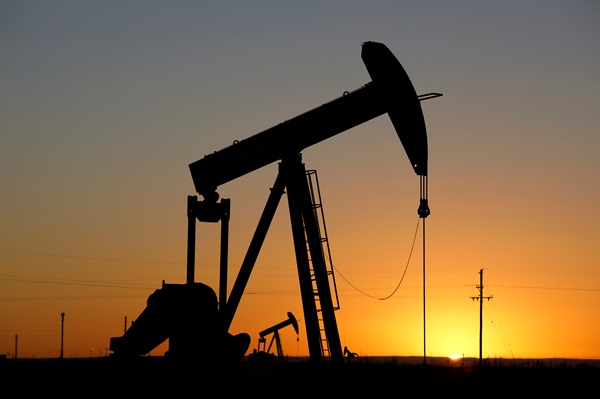
Oil and gas workers spend their careers managing forces most people never think about. Thousands of feet underground, reservoirs are held back by pressures that can exceed 10,000 pounds per square inch, with drilling fluid, mechanical valves, and the crew's expertise. Most of the time, that balance holds. When it doesn't, the results are among the most violent industrial events in any American workplace.
A blowout is not a slow failure. It is a sudden, often explosive loss of well control that can kill within seconds, injure dozens, and leave survivors with injuries they'll spend the rest of their lives managing. Understanding how these oil rig accidents happen and why they so consistently cause catastrophic harm matters both for the workers who face these risks every day and for the families trying to make sense of what went wrong.
Common causes of oil well blowouts in San Antonio
- Undetected kicks that go unrecognized long enough for formation fluids to surge too far up the wellbore to be stopped
- Inadequate drilling mud weight that fails to exert enough downward pressure to counterbalance the reservoir, often the result of miscalculation or shortcuts taken under schedule pressure
- Failure to activate the blowout preventer in time, the large hydraulic valve assembly at the wellhead, which is the last mechanical line of defense against an uncontrolled well
- BOP mechanical failure caused by poor maintenance, skipped testing, or design defects that prevent the valve from sealing when it's needed most
- Operator and crew error, including pressure to keep drilling through warning signs rather than stopping to investigate, a human decision that appears in blowout investigations more consistently than any other single factor
What makes blowouts so much more dangerous than other oilfield accidents?
Most industrial accidents involve a single hazard. Blowouts stack several simultaneously, which is why the injury toll tends to be so severe. The specific combination of factors that makes them uniquely destructive includes:
- A sudden high-pressure release that can propel debris, equipment, and people with enormous force in a fraction of a second before anyone can react.
- Flammable hydrocarbons that ignite from friction, heat, or the smallest spark, turning a pressure event into a fire or explosion almost instantly.
- Natural gas dispersion that spreads invisibly and silently, filling spaces with combustible or toxic atmosphere before workers realize what's happening.
- Hydrogen sulfide, a colorless gas present in many reservoir fluids, is toxic at extremely low concentrations and can cause loss of consciousness in seconds at higher concentrations.
- Limited escape time, measured in seconds on a land rig and complicated further on an offshore platform by the surrounding ocean, limited exits, and delayed emergency response.
What kinds of injuries do oil well blowouts cause?
Blowouts don't produce a single type of injury. They produce several at once, and some of the most serious ones don't announce themselves right away. The full injury spectrum includes:
Blast lung
This is caused by the pressure wave from an explosion compressing and tearing lung tissue from the inside, often present in workers who appear outwardly uninjured in the immediate aftermath.
Severe burns
These can cover large areas of the body surface, which hydrocarbon fires produce more intensely than most structural fires due to the higher burn temperatures of oil and gas fuels; treatment typically spans months or years of surgeries, skin grafts, and infection management.
Traumatic brain injury
This results from the blast pressure wave itself, or from being thrown by the explosion and striking a surface or piece of equipment.
Spinal and orthopedic injuries
These are caused by the force of the blast or by falling debris, and they often result in permanent disability.
Hydrogen sulfide poisoning
This can cause loss of consciousness within seconds at high concentrations and chronic neurological damage at lower concentrations, even in workers who never lose consciousness during the event.
Chronic respiratory disease
This is often caused by smoke inhalation and chemical exposure, which often develops gradually over months or years rather than appearing immediately.
Delayed-onset organ damage
This occurs due to toxic exposure that may not be fully understood until well after the event, making early and thorough medical documentation critical for workers who believe they escaped serious harm.
Who is legally responsible when a blowout injures a worker?
Liability in oilfield blowout cases is rarely simple. Drilling operations typically involve multiple overlapping entities, each of which may bear some share of responsibility, including:
- The well operator, who controls the drilling program, sets the operational parameters and bears ultimate responsibility for well control decisions made on site
- The drilling contractor, who employs the rig crew and is responsible for the training, equipment, and procedures used to manage the well
- Equipment manufacturers, who may bear product liability exposure if a BOP or other safety-critical component failed due to a design or manufacturing defect
- Third-party service companies, including cementing, mud logging, and pressure testing contractors, whose work directly affects well integrity and control
The oil company already has a team working against you. Now it's time to build yours.
When an oil well blowout turns your life upside down, the drilling company's lawyers and insurance adjusters don't wait around, and neither should you. The Herrera Law Firm has spent decades standing up for injured oilfield workers across San Antonio, South Texas, the Eagle Ford Shale, and throughout the entire state, and we know exactly how the other side operates.
We represent roustabouts, roughnecks, drillers, tool pushers, oilfield truck drivers, and everyone else whose livelihood and well-being depend on companies doing the right thing. When those companies cut corners and someone gets hurt, we dig into the facts, identify every party responsible, and fight for every dollar our clients are owed.
Getting started costs you nothing. Our consultations are completely free, and we work exclusively on a contingency fee basis, which means you pay no attorney's fees unless we win your case. The drilling companies and their insurance companies have deep pockets and experienced legal teams. You deserve the same firepower on your side. If you or a loved one was injured on a Texas oil rig, don't wait and don't go it alone. Contact us today to schedule your free case review.
