
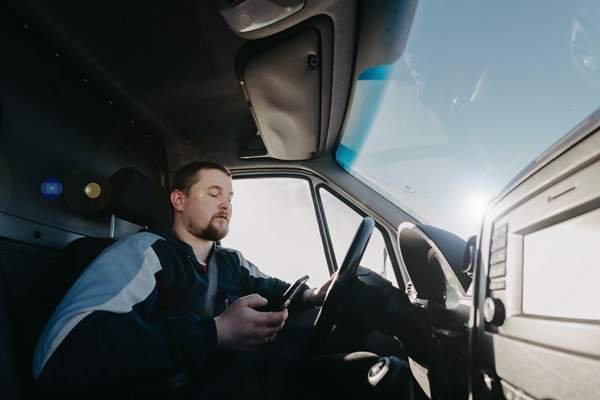
Unregulated “CDL mills” now produce thousands of undertrained truck drivers each year
The trucking industry is facing a serious safety crisis, one that most Americans have never heard about. Every year, around 100,000 truck crashes happen on U.S. highways, leading to roughly 5,000 deaths. Behind those numbers is a problem that’s been quietly growing for years: a system that allows people with little or no real training to get behind the wheel of an 80,000-pound vehicle. This lack of experience is often a cause of serious truck accidents in Texas and across the nation.
The issue traces back to a major regulatory change made in February 2022. That change fundamentally altered how Commercial Driver’s Licenses (CDLs) are issued in the United States. It opened the door for what many experts now call "CDL mills." These are training programs that churn out drivers without giving them the skills or experience they truly need to operate safely.
How did the CDL system change?
For decades, getting a CDL meant completing a rigorous, state-approved training program. These programs emphasized safety, technical know-how, and a clear understanding of federal regulations. In short, they were designed to ensure that anyone who earned a CDL had proven they were ready for the responsibility that comes with driving a commercial truck.
That changed when the Federal Motor Carrier Safety Administration (FMCSA) created a self-certification database. Under this new system, almost anyone could register as a CDL trainer, even without meeting the qualifications or state licensing requirements that had long been in place.
The result was a two-track system. On one side were the legitimate, state-licensed schools (about 2,100 of them nationwide) that offer comprehensive courses. This includes the 160-hour program taught at 160 Driving Academy. On the other side were more than 32,000 self-certified “training providers.” Many of them offer only a few hours of instruction before sending drivers to take their licensing exams.
What are CDL mills, and why are they a problem?
These new operations, often called “CDL mills,” exploit the self-certification loophole to push trainees through as quickly as possible. They operate with little oversight and almost no accountability. According to Steve Gold, founder of 160 Driving Academy, this system lets employers or small trucking companies register as training providers without being licensed by their state.
“The feds come in, they create this self-certification database, and you can register to be a CDL trainer at the federal level,” Gold explained. “If you’re an employer, you’re exempt. You don’t have to be licensed in the state.”
When asked what proof these self-certified trainers must show to demonstrate that their students were properly trained, Gold didn’t mince words: “You don’t do a damn thing.” In some cases, new drivers are watching YouTube videos or spending a few hours in a classroom before being sent to get their licenses.
Some states have made things worse by rolling back their own oversight. Indiana, for example, stopped requiring state licensing for truck driver training schools once the federal registry was implemented. Without meaningful checks and balances, unqualified instructors have flooded the industry.
Why does this put everyone on the road at risk?
The consequences of this deregulation are now showing up on American highways. In 2023 alone, there were more than 153,000 truck-related crashes and 5,472 fatalities, a 40 percent increase compared to 2014. Those numbers stayed nearly the same through 2024.
To put that in perspective, the odds of being killed in a crash involving a commercial truck are about 20 times greater than dying in a commercial airline accident. The difference in training standards between the two industries is staggering.
The problem isn’t limited to new drivers. When 160 Driving Academy tested experienced commercial drivers for large carriers, roughly half failed to achieve 50% proficiency on the exams. Many of those drivers still find work with smaller companies that lack proper safety oversight, putting more unqualified drivers on the road.
What are the states and the federal government doing to fix this?
Some states have started taking matters into their own hands. California, which ranks near the top for fatal truck crashes, recently passed legislation to shut down unlicensed CDL schools. Florida and Colorado have also issued cease-and-desist orders against training centers that tried to bypass state rules by claiming a federal exemption.
At the federal level, the Department of Transportation has begun looking into related safety concerns, including the misuse of “non-domiciled” CDLs. These are licenses issued to drivers who don’t live in the state where they’re certified.
The root of the problem, however, lies in years of lobbying from within the trucking industry. Facing a chronic driver shortage, industry groups pushed for looser regulations that made it easier to get new drivers on the road. But that short-term fix diluted training standards, endangered the public, and hurt the industry’s own reputation.
What needs to happen to make America’s highways safer?
The good news is that this is a fixable problem. Stronger oversight, stricter certification, and better enforcement can restore safety and accountability. Experts suggest several steps:
- Require all training providers to hold a valid state license before they can be federally certified.
- Enforce existing safety and training standards with real penalties for violations.
- Support states that maintain or strengthen their CDL training requirements.
- Promote consistent, nationwide standards to ensure all drivers receive adequate instruction.
- As Steve Gold put it, “This is not a hard problem to fix.”
Our San Antonio truck accident lawyers fight for crash victims
Unqualified truck drivers put everyone on Texas highways in danger, but if you were injured in a truck wreck, you don’t have to navigate the aftermath alone.
The Herrera Law Firm has more than 40 years of experience standing up for crash victims across the San Antonio area. Our attorneys build strong cases that hold negligent drivers and urge powerful insurance companies to do the right thing. We handle every aspect of your claim, from start to finish.
When you reach out to us for a free, no-obligation consultation, we'll listen to your story and help you map out your legal options. There is no further obligation or pressure to work with us. You’ll leave your consultation with honest answers about your rights and how we can help.
Plus, you pay nothing up-front for our services. We operate on a contingency fee structure, which means we only get paid if we win your case.
Contact us online today to schedule your free consultation and get the compensation and justice you deserve.
